Case study · Turnkey hardware + software
DrLocker: Nationwide Digital Kiosk Platform
DrLocker needed a complete autonomous locker system deployable anywhere in Malaysia: hardware, embedded software, payment processing, cloud management, and remote monitoring, with no IT staff required on-site after the first installation.
We built the entire stack from the PCB up.
Outcomes delivered
Four numbers that define the project.
System screenshots
From kiosk screen to cloud portal.
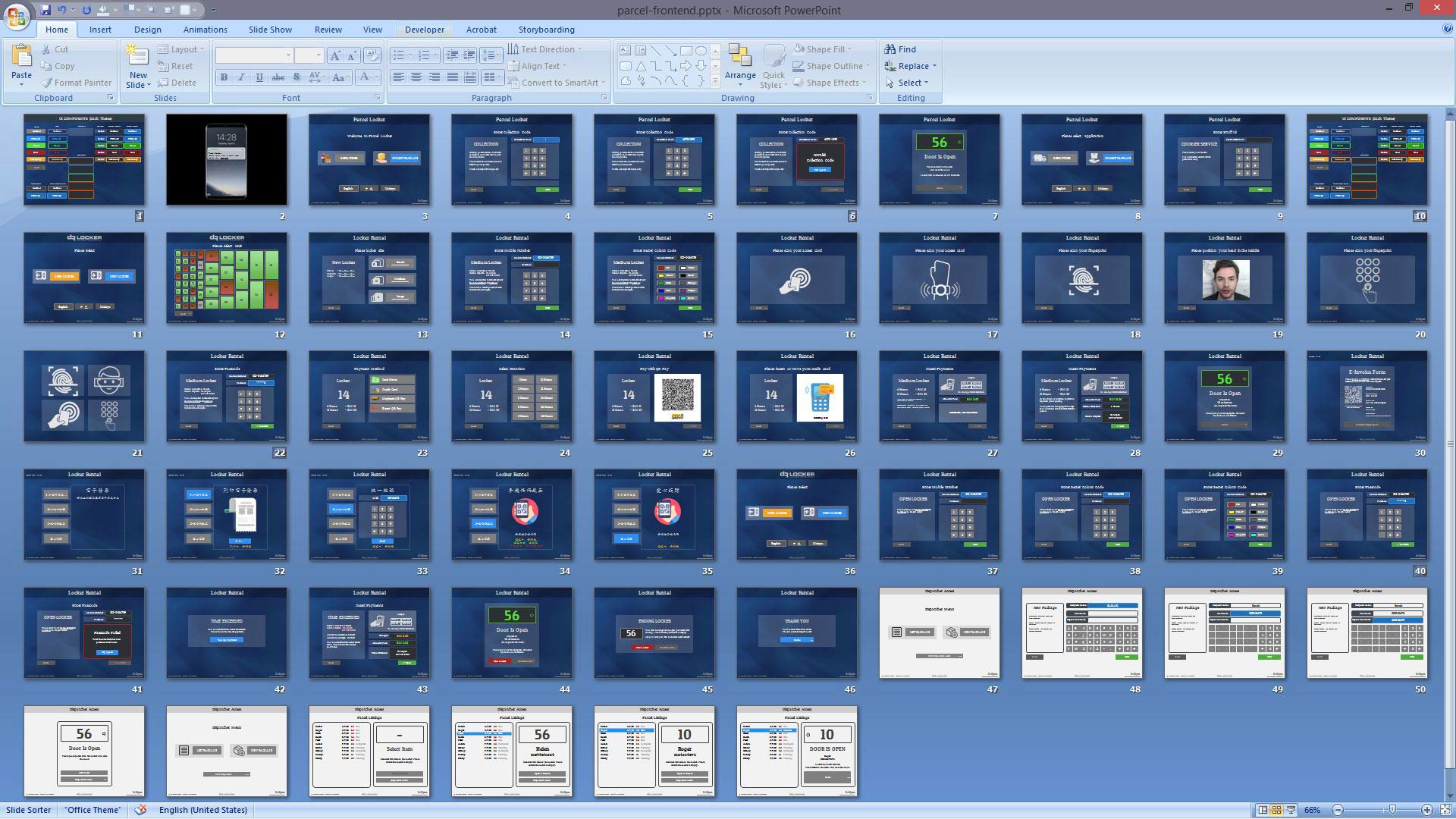
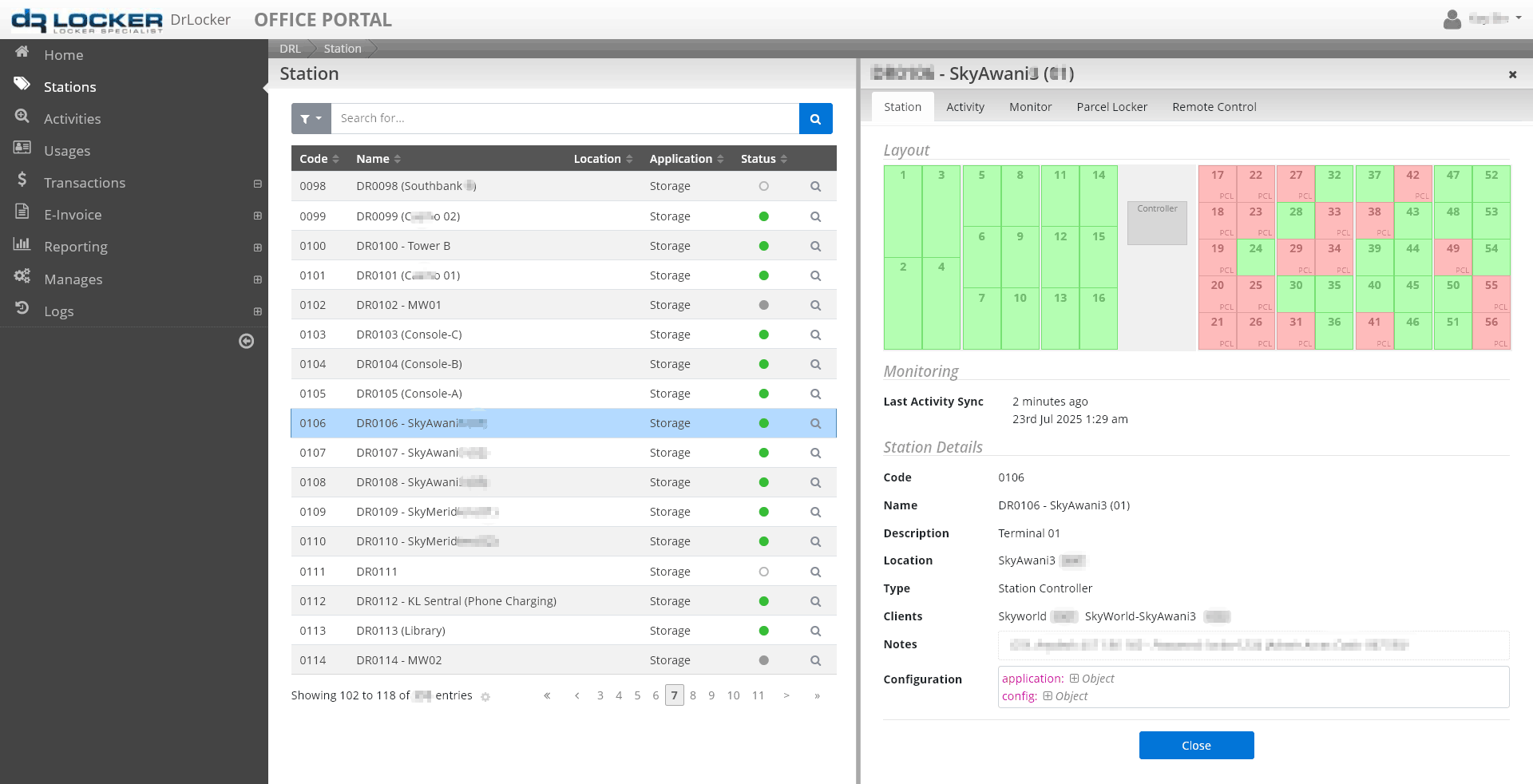
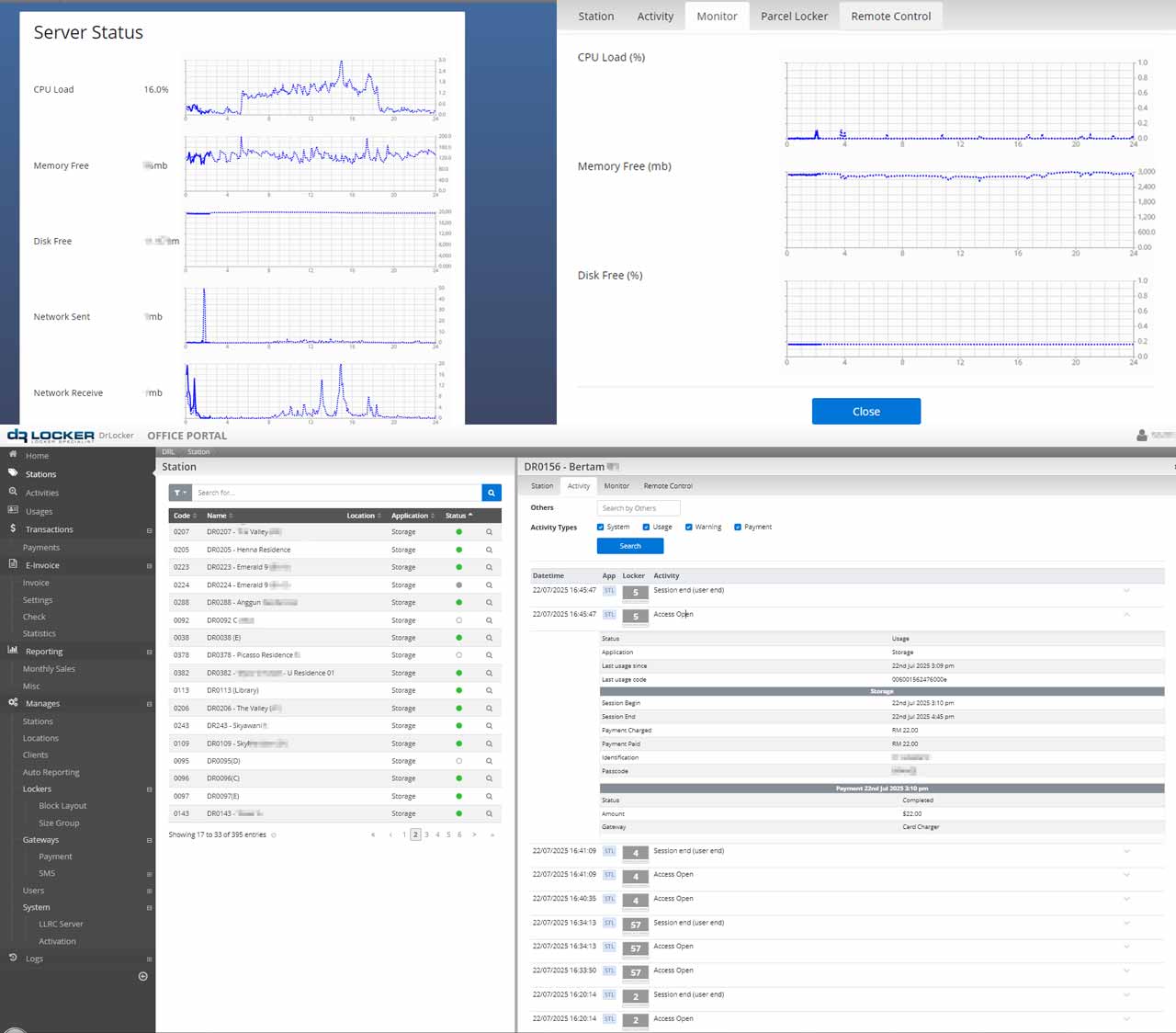
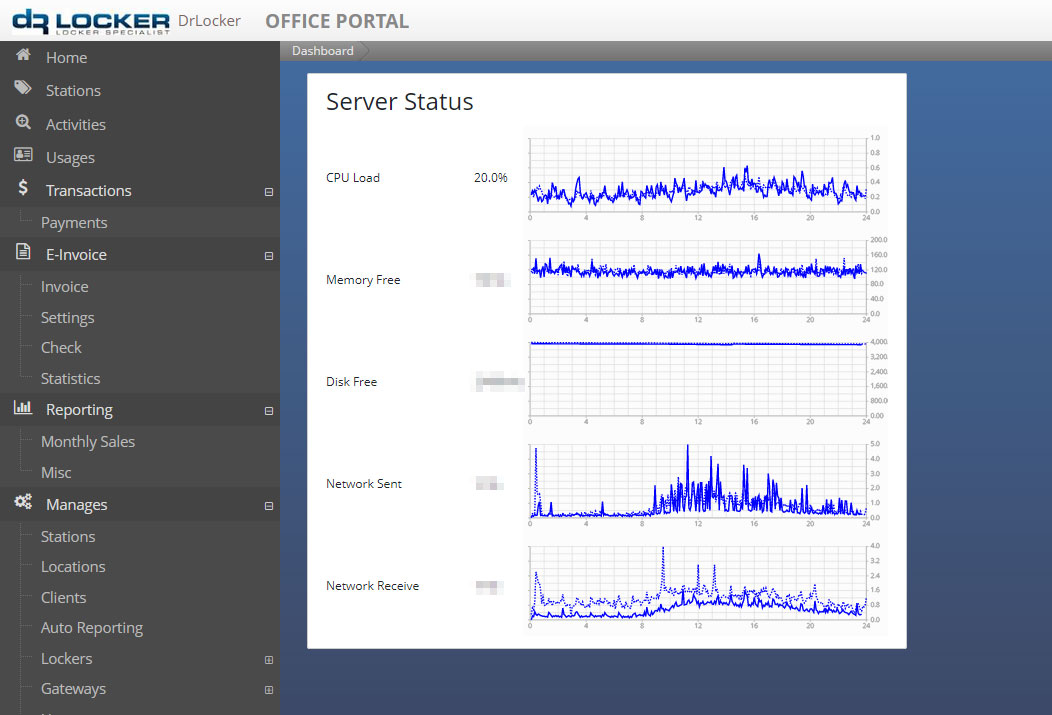
The same design language runs from the physical touchscreen the customer sees to the operations portal the team uses to manage every unit in the field.
The challenge
A kiosk that works without anyone watching it.
DrLocker’s proposition is simple: self-service locker rental, available 24/7, with no staff required. The engineering problem behind that simplicity is anything but simple.
Each unit had to handle payment independently, manage the physical lock hardware reliably, recover from network outages without losing transaction state, and report its health back to a central system in real time. It had to work for a customer who speaks Malay, Chinese, or English. It had to accept card, e-wallet, and cash. And when something went wrong (a jammed lock, a failed payment, a firmware edge case) it had to degrade gracefully and alert the operations team before a customer complained.
Off-the-shelf kiosk software does not handle this. Standard ERP does not come close. The solution had to be engineered from the bottom layer up.
The solution
Four layers. One coherent system.
Custom PCB firmware
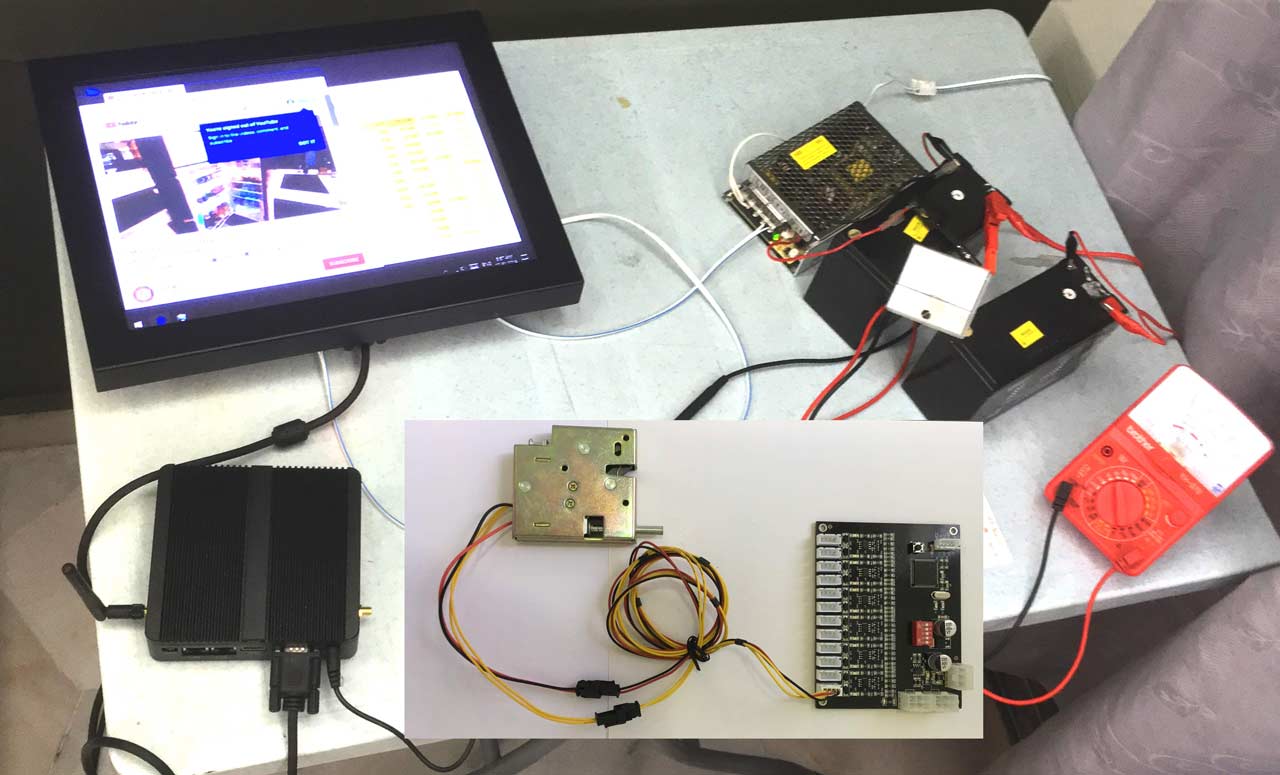
The hardware layer was designed around a custom PCB that interfaces directly with the lock mechanism, payment peripheral, and touchscreen. Firmware handles lock state, hardware fault detection, and local transaction queuing so the unit remains functional during network interruptions. When connectivity resumes, it syncs automatically.
.NET kiosk application
The customer-facing UI runs as a full-screen .NET application: no browser, no OS chrome, no way for a customer to exit to desktop. The UI is multilingual by design: language selection is the first screen, and every subsequent screen renders in the chosen language without a reload. Payment flow integrates card terminal, e-wallet QR, and cash acceptor as parallel paths through the same transaction state machine.
Cloud management hub
All units report to a central cloud hub: heartbeat intervals, transaction records, lock states, and error events. The operations team sees every unit on a single dashboard. Firmware updates are pushed remotely. Alerts are triggered automatically when a unit goes offline or a hardware fault is detected. The result: a nationwide fleet managed by a team of two, not twenty.
Zero on-site IT after day one
Installation is the only time a technician visits a unit. After that, everything (updates, monitoring, diagnostics, configuration changes) is remote. This was not a goal we retrofitted; it was a constraint we designed to from the start. It changes every architectural decision downstream.
What comes next
We did not just build a dashboard. We engineered the entire loop.
If your project requires more than configuring existing software: if it involves hardware integration, custom firmware, or a system that has to work without human oversight: talk to us. This is the kind of work we are built for.