Every asset your business owns, tracked from acquisition to disposal.
The Fixed Assets module manages the complete lifecycle of every asset on your register (acquisition, depreciation and disposal) with every financial event connected to your general ledger automatically.


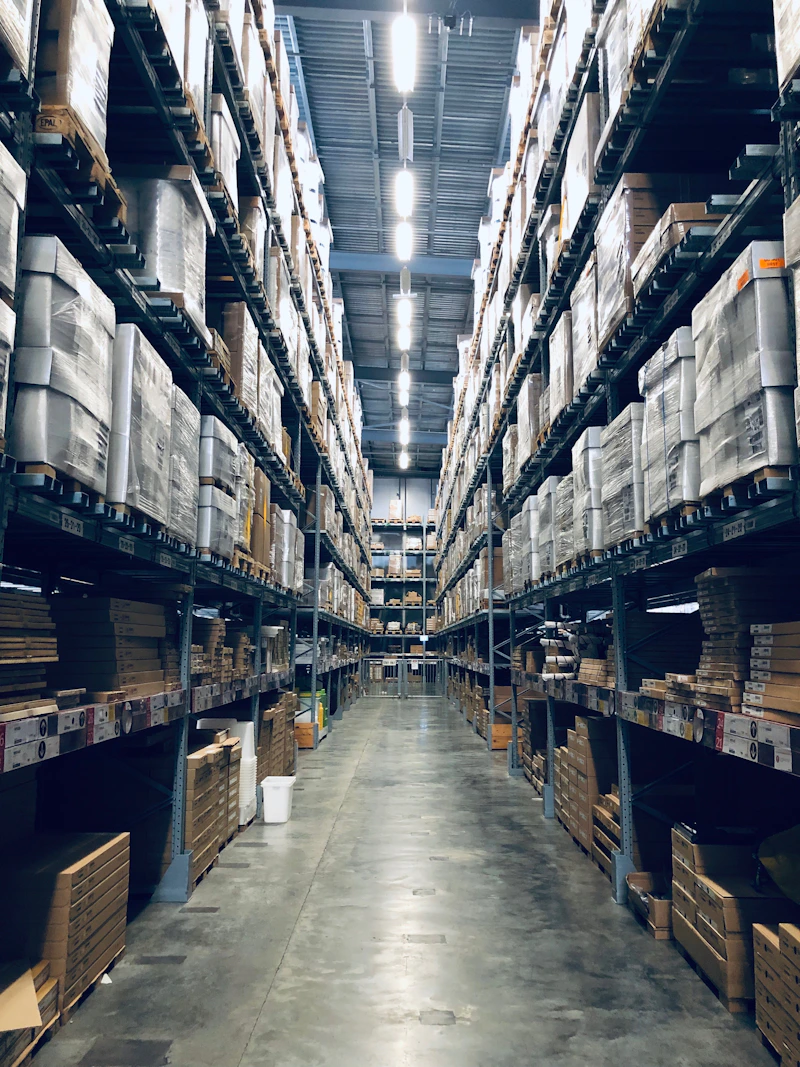
Built for businesses that need their asset register to be accurate, current and audit-ready.
The Fixed Assets module manages every asset from the moment it is acquired through its useful life and eventual disposal. Acquisition is detected automatically from posted financial documents (purchase invoices, bill payments, reimbursements and journal entries) so assets are never missed because someone forgot to register them.
Depreciation runs on a scheduled basis with full override capability. Disposal and write-off documents handle the financial cleanup automatically, calculating gain or loss and posting to the general ledger in a single action. For businesses deploying assets to customer sites through the Service module, the Fixed Assets module retains financial ownership and depreciation management while Service handles physical placement and location control.
Four functional areas covering the complete asset lifecycle.
Asset Acquisition
Assets enter the register through a passive detection process. When a financial document posts a ledger entry to a fixed asset account, the system identifies it within a reasonable time window and surfaces it as an acquisition candidate. The finance team confirms the acquisition and the asset record is created from the source document data without re-entering information.
Key capabilities
- Automatic acquisition detection from posted financial documents
- Four acquisition source types: purchase invoice, bill payment, reimbursement, journal entry
- Grouped asset profiles for bulk purchases of identical items
- Partial disposal from grouped asset profiles
- Serial number tracking within groups
Grouped Asset Management
Fifty office chairs purchased together register as one asset profile with one depreciation schedule and one net book value, not fifty individual records. When some are disposed of, partial disposal removes the relevant quantity while the rest continue depreciating under the same profile.
Depreciation
Depreciation runs work similarly to a payroll batch. A cut-off date is selected and the system checks every asset on the register against its last depreciation date. Assets that have reached their next depreciation milestone appear as line items in the depreciation document with their calculated amounts. The finance team reviews, adjusts any amounts where necessary, and confirms the document to post the entries.
The current release supports straight line depreciation. Additional methods will be added as requirements emerge.
Key capabilities
- Cut-off date driven depreciation run
- Asset maturity tracking from last depreciation date
- Calculated amount with override capability per line item
- Straight line depreciation
- Reversal support for confirmed depreciation documents
- Automatic GL posting on confirmation
Disposal and Write-off
When an asset is sold or written off, a dedicated disposal document handles the complete financial process. The user enters the disposal proceeds: zero for a write-off, the agreed sale price for a disposal. The system calculates the gain or loss based on the asset’s net book value at the disposal date and posts the result to the appropriate general ledger accounts in a single action.
Key capabilities
- Disposal document for sales and write-offs
- Automatic gain and loss calculation
- Net book value at disposal date
- Accumulated depreciation cleanup
- Partial group disposal with remaining asset continuation
- Single-action GL posting for the complete transaction
Asset Registry and Tagging
The asset register is the central record of every asset the business owns: acquisition cost, accumulated depreciation, net book value, useful life, depreciation schedule and current status. Asset tagging supports physical identification through QR codes or barcodes printed directly from the system, connecting the physical asset to its financial record.
Key capabilities
- Comprehensive asset register with full financial history
- Net book value tracking at all times
- Useful life and depreciation schedule management
- QR code and barcode tag printing directly from the system
- Asset status management across active, disposed and written-off states
Every asset event posts to your books automatically.
Finance
Acquisition, depreciation and disposal documents all post to the general ledger on confirmation. Gain and loss on disposal posts to P&L without manual journal entries.
Purchase and Finance: Acquisition Sources
Purchase invoices, bill payments, reimbursements and journal entries are scanned for fixed asset ledger postings. Confirmed financial documents surface automatically as acquisition candidates.
Service
Assets deployed to customer sites through the Service module are tracked for physical location within Service. The Fixed Assets module retains financial ownership and depreciation continues regardless of where the asset is physically located.
For finance teams and business owners who need their asset register to be right.
Every asset accurately valued, depreciated on schedule, and disposed of cleanly.
Passive acquisition detection means nothing purchased through Finance or Purchase goes unregistered. The depreciation run gives full review and override capability before anything posts to the ledger. Disposal documents handle the financial cleanup in a single action.
Your balance sheet is only as accurate as your asset register.
Grouped asset management makes large purchases of identical items manageable without creating administrative overhead. Assets deployed to customer sites through your service operation continue to be tracked for depreciation regardless of physical location.
Ready to see the Fixed Assets module in action?
The Cloudby demo includes a pre-configured asset register with grouped assets, a depreciation schedule in progress and disposal examples you can explore at your own pace.